Writing Your Will: Know the Essentials
A will is a legal document written for the purpose of making sure your property and assets get distributed how you want after your death. It may feel morbid to think about writing your will, but it is essential if you want to ensure that certain individuals receive an inheritance or that your children are taken care of should you pass away.
To learn more about what a will is, read our article What’s the Difference Between Having a Will and a Living Trust.
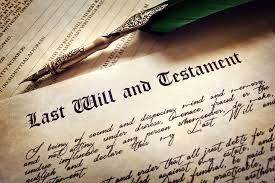
Here are some things to keep in mind when you decide to write your will.
1. Should you hire a lawyer or write it yourself?
When writing your will, it is recommended to use a lawyer to write your will to avoid any confusion when the will is read by your family. There are many horror stories about wills that weren’t written properly and family members not given their inheritance because of legal loopholes.
There are websites now that will help you write your will, but your safest bet is always to use a lawyer, especially if you are upper middle class or above.
Click here to listen to estate planning attorney, William K Hayes, talk more about writing a will.
2. What is actually yours to give?
If you are married or have entered into certain contracts, this may prohibit what property you can legally bequeath. Prenuptial agreements and certain kinds of trusts could place restrictions on what you’re legally allowed to allocate to others after your death.
Keep in mind that if you live in Nevada, Texas, New Mexico, Arizona, California, Louisiana, Idaho, Wisconsin or Washington, half of your assets belong to your spouse. These states are community property states, meaning that 50 percent of all of your assets is shared with your spouse.
3. What should your will say?
Many people don’t know what actually goes into a will. Here are a few examples of what should be included at minimum.
- Beneficiaries: Your beneficiaries are those whom you choose to receive real property or personal property in the form of cash or assets. Many people name their spouse, children or other family members.
- Executor: This is the person who will carry out what’s written in your will. They will make sure that your beneficiaries receive what you intended for them. You can choose a responsible friend or family member, or, lots of times, this job falls into the hands of a bank or lawyer. If you choose a friend or family member, make sure you research how much that individual should be paid for their time.
- Parental guardian: If you are writing your will while you still have young children, make sure you name a person or multiple people to raise your children should you pass away. Since this is a major life endeavor for the person or people you name, list a few individuals in case one or two of them are not in a position to take on this role at the time of your death.
4. What can your will NOT say?
There are certain items you want to avoid including when writing your will and some things that are flat-out illegal.
- Conditional gifts: You are not allowed to leave conditional gifts, such as bequeathing money to a beneficiary on the condition that they get married, get divorced or make some other life change.
- Final arrangements instructions: Your will is not the place to write your wishes on final arrangements, the reason being that a will is typically not read until after the funeral, so your requests may not be carried out.
- Allocate property to pets: Don’t try to leave any type of property to your pets. Pets cannot legally inherit any assets. This kind of thing happens more often than you would think! But there are other ways to take care of pets.
5. Should you include a personal note?
You can attach a personal note to your will as a way to say goodbye to loved ones. It’s not very common, but it’s a good way to personalize a somewhat sterile document. If there is something more that you wish to say that was not addressed in the will, a personal note at the end is a good place to say it.
Finally, remember that a will is not the only part of an estate plan. Various trusts can be of enormous help, and may have advantages over a will. Even families of modest means may find them useful.
The most important thing when writing your will is to make sure your will is as clear as possible so that your wishes are fulfilled correctly. Be transparent about who gets what. For more information about how to write a will, consult a qualified professional.
For more information about The Hayes Law Firm, visit our Google My Business page.
This website is not intended to be a source of solicitation or legal advice. General information is made available for educational purposes only. The information on this blog is not an invitation for an attorney-client relationship, and website should not be used to substitute for obtaining legal advice from a licensed professional attorney in your state. Please call us at (626) 403-2292 if you wish to schedule an appointment for a legal consultation.

- 5 Reasons To Expedite The Probate Process For A Loved One’s Estate - January 24, 2024
- 5 Proactive Steps You Can Take To Avoid Probate In California - December 20, 2023
- Trusts and More: How To Avoid Probate - December 7, 2023
Office hours
Map
The information on this website is for general information purposes only. Nothing on this or associated pages, documents, comments, answers, emails, or other communications should be taken as legal advice for any individual case or situation. The information on this website is not intended to create, and receipt or viewing of this information does not constitute, an attorney-client relationship.